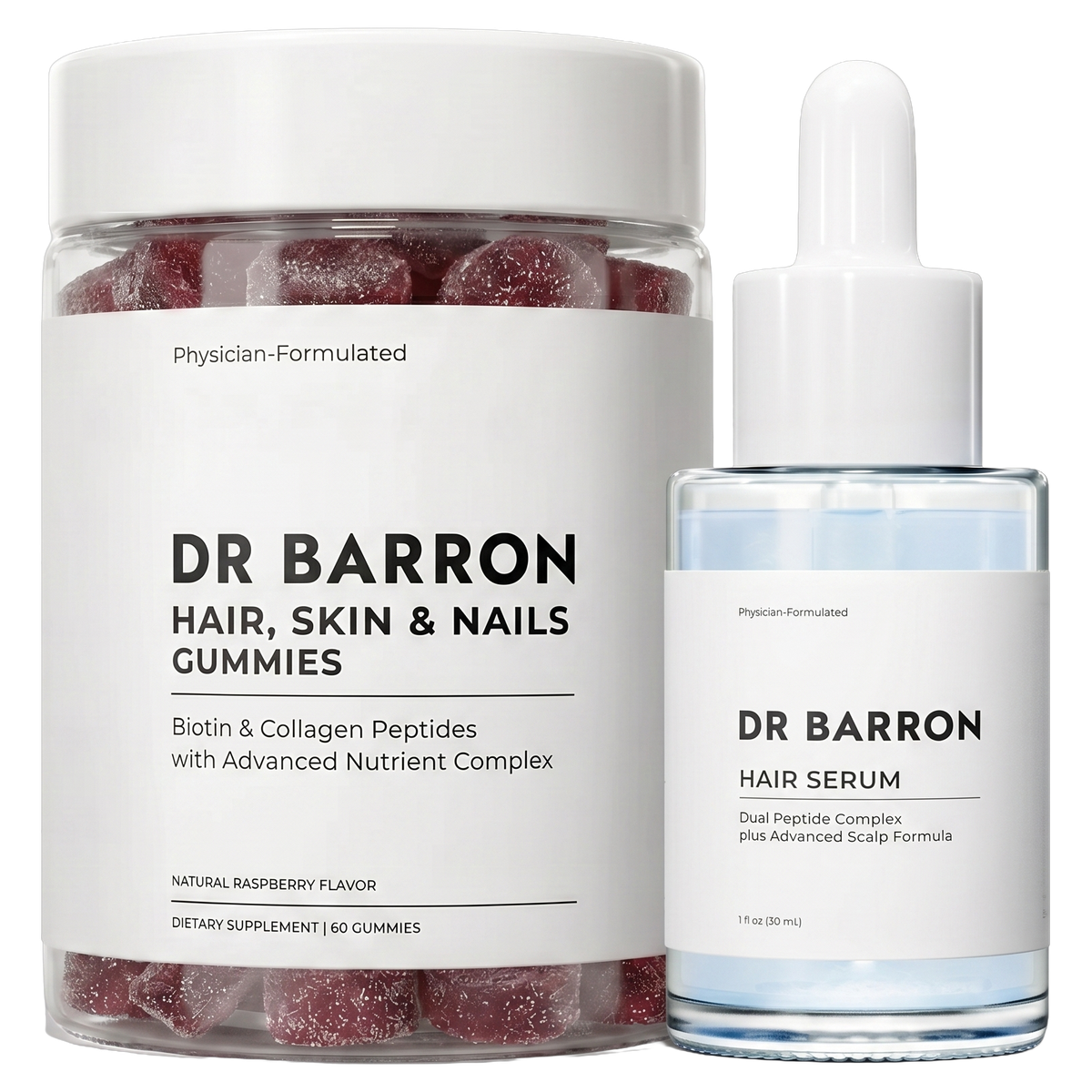
★★★★★
Transparency you can actually see.
Most gummies hide behind proprietary blends. I liked that every ingredient and dose is clearly listed, and the formula actually feels intentional instead of packed with random extras.

Pregnancy spent nine months building a baby. Recovery spends the next few rebuilding you. The shed itself is hormonal: after delivery estrogen drops, and a wave of hair releases a few months later. It is common, and for most women temporary. Around the same time, recovery and nursing draw down the raw materials hair is rebuilt from. Below: 7 reasons new moms are supporting their recovery through the shed.



 ★★★★★
★★★★★“Most brands hide behind proprietary blends or sprinkle in a few trendy ingredients. I liked that every ingredient and dose is clearly listed, and the formula actually feels intentional.”
RACHEL R.Trenton, NJ · Real DR BARRON customerThrough pregnancy, high estrogen keeps extra hair in its growth phase. After delivery estrogen drops sharply, and a few months later that hair releases together. That wave is the shed. It is hormonal, common, and for most women temporary. Recovery and nursing also draw down the raw materials hair is rebuilt from, like collagen, zinc, and selenium. Your OB calls the shed normal. It is. Normal still leaves you something to support while your body resolves it on its own timeline.

Pregnancy spent nine months building a baby. Recovery spends the next several rebuilding you. The shed itself is hormonal: estrogen falls after delivery and the hair it was holding releases a few months later. Around the same time, recovery and nursing draw down the raw materials hair is rebuilt from. Collagen drains. Vitamin D often runs low when hair sheds. Zinc and selenium fall behind. That structural and nutritional layer is the part a formula can honestly support.
Pregnancy happened over 40 weeks. Recovery doesn’t happen in 30 days. Your follicles don’t recover that fast. Most women think the problem started at month three. The biology started months earlier. The structure? Collagen, biotin, L-cysteine. The keratin? MSM, bamboo silica. The follicle environment? Zinc, selenium, and vitamins C, D, and E. Each layer supports what pregnancy and nursing draw down, while your body resolves the shed on its own timeline.
Individual results vary.
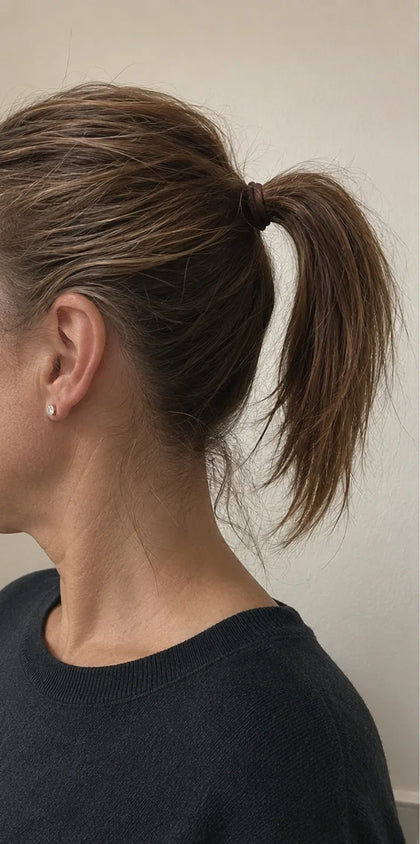
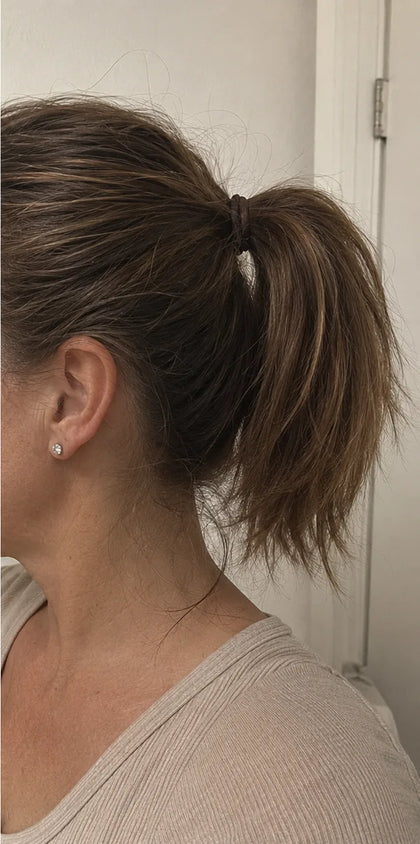
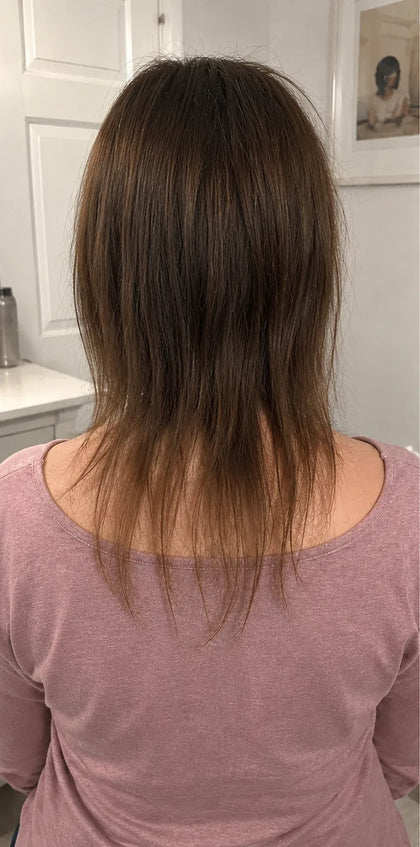
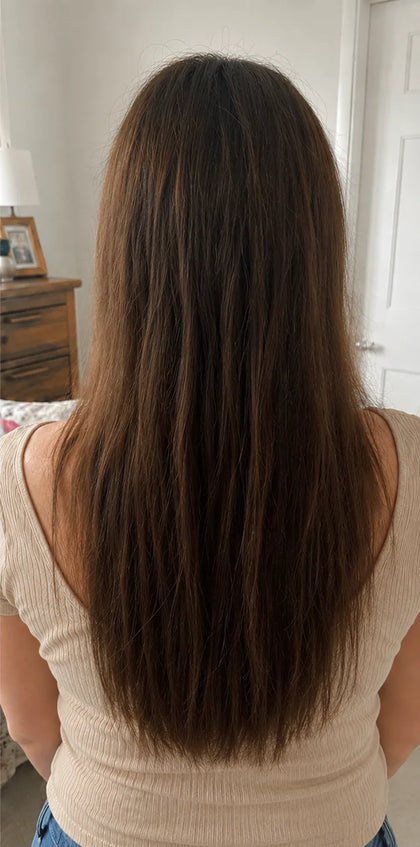
Most gummies hide behind proprietary blends. I liked that every ingredient and dose is clearly listed, and the formula actually feels intentional instead of packed with random extras.
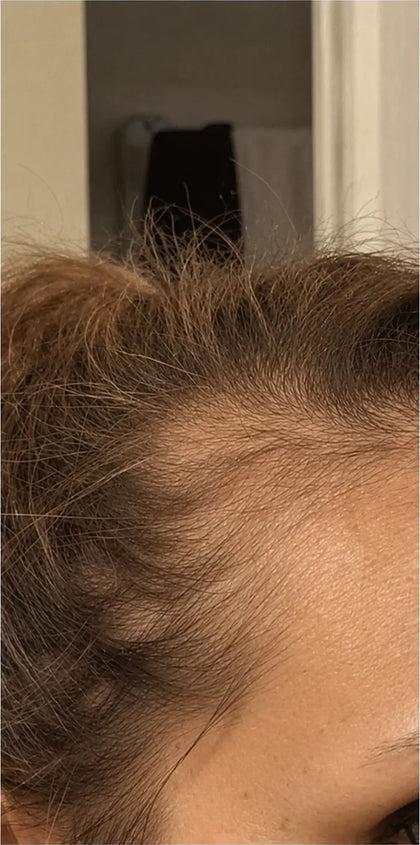
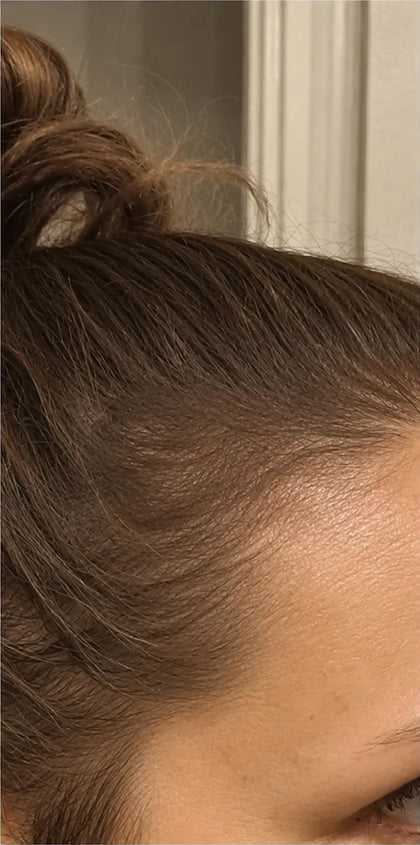
My hair had gotten very thin, especially in the crown area and I am seeing it starting to fill in and there’s little hairs I can see around my forehead.
My hair started thinning at the temples and I blamed everything but my hormones. I’ve been taking these for a few months now and I’m noticing way less hair in my brush.
The shed does pass, but the reserves don’t refill on their own schedule. Pregnancy and nursing spent the protein, the minerals, the vitamin D your hair is built from. Waiting just keeps the pool empty longer. The formula refills it at doses on the label, sitting alongside the prenatal you may still be on: 360 mg collagen + L-cysteine for the protein, 5 mg zinc and 10,000 mcg biotin to rebuild, 1,400 IU vitamin D that runs low when hair sheds. The research is on each ingredient’s role. ‘It’ll pass’ isn’t a reason to leave the pool empty while it does.
Postpartum shed peaks at month four, when reserves are deepest in the negative. The follicle isn’t broken. The cofactor pool is. Two gummies a day refill the pool recovery is drawing from. Take them whenever the day allows.

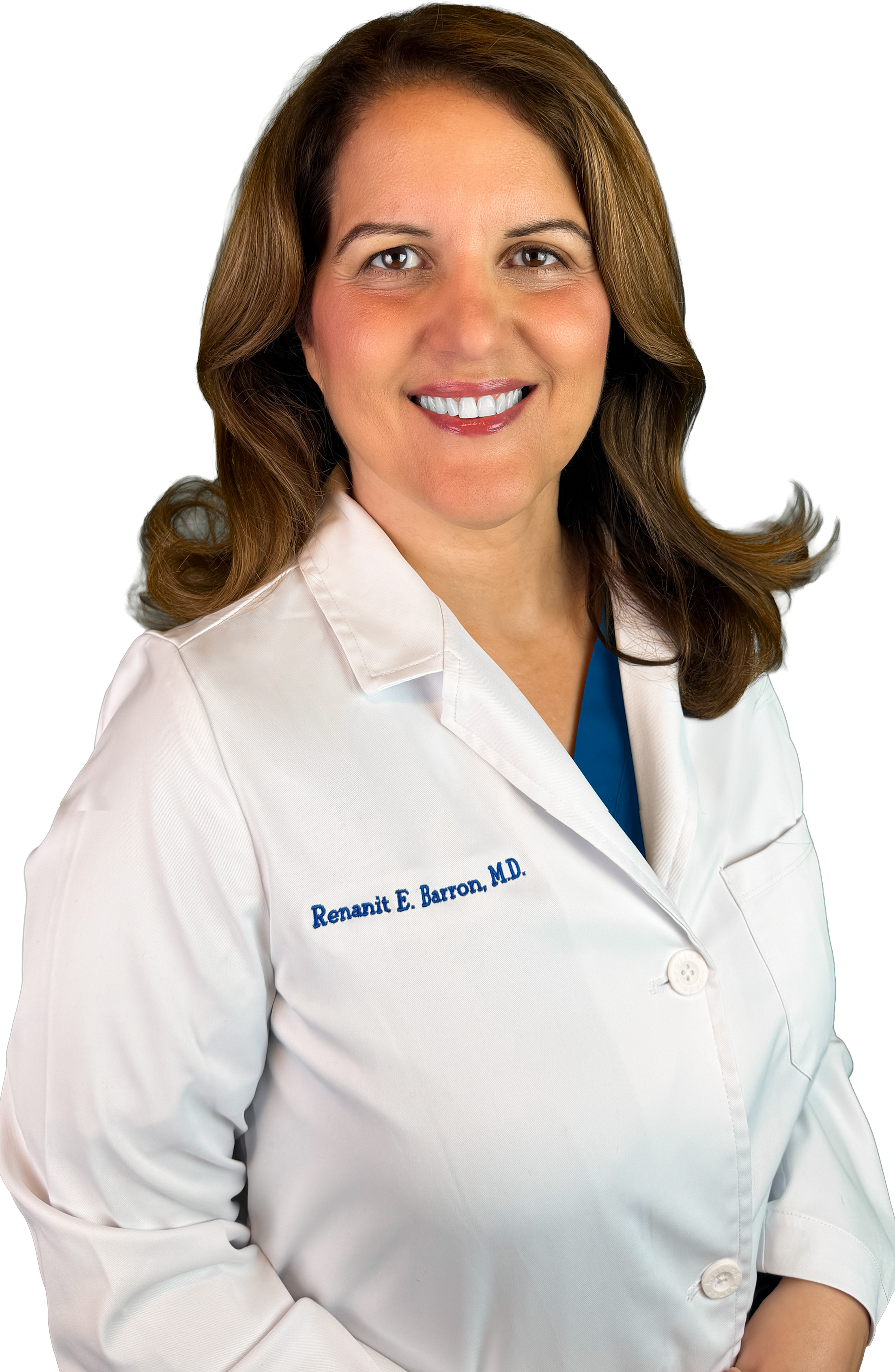
“The hardest part of postpartum shedding is that it shows up after the pregnancy is over. Most women assume something new is happening. In reality, they’re seeing the delayed effects of everything their body spent months doing. The prenatal was built for what pregnancy needed. Recovery needs something different.”
Prenatal vitamin. Collagen powder. Biotin gummies. A postpartum hair vitamin. Most postpartum moms add 8+ separate supplements: $185/month, doses that overlap, gaps that don’t. One formula at research-backed doses sits alongside the prenatal she’s still on. $33/month on subscription. Pregnancy needed one stack. Recovery needs a different one.
The body sets the recovery clock. Estrogen settles. Stores refill. Collagen rebuilds. What the body can’t manufacture from nothing is the raw material. Two gummies a day is the part that’s in your control. The rest happens at the pace it happens.
Eleven research-backed actives supporting the structure and follicle environment postpartum recovery draws down. Dermal collagen, keratin building blocks, mineral cofactors, and antioxidant support. $1.10/day. Endocrinologist-formulated. Every ingredient and dose on the label. 90-day money-back guarantee. Talk to your doctor, OB, or lactation consultant before taking any supplement while breastfeeding.

Eleven research-backed actives in one daily gummy. The structure and follicle-environment support generic hair brands skip: collagen peptides at the studied dose paired with vitamin C, plus the zinc, selenium, and vitamin D that recovery and nursing draw down. Endocrinologist-formulated. Every dose on the label. Talk to your doctor, OB, or lactation consultant before taking any supplement while breastfeeding.
Because ninety days is one full hair cycle.
Two gummies daily, with or without food. Like any supplement, the formula is intended for long-term daily use as part of a consistent routine, individual responses to supplementation vary.

5 categories of physician-selected actives for postpartum hair recovery.
Pregnancy and nursing deplete collagen faster than the body can replace it. Provides hydrolyzed peptides the body uses to support skin, hair follicle, and nail matrix structure through postpartum recovery.
A sulfur amino acid required to build keratin, the protein that makes up roughly 95% of the hair shaft.
A required cofactor for collagen synthesis. Without adequate vitamin C, the body cannot crosslink collagen fibers properly.
Supports keratin infrastructure and the enzymes that convert nutrients into the building blocks of hair and nail growth. Subclinical biotin insufficiency rises with age.
A traditional botanical that supplies plant phytosterols and zinc-rich seed compounds, included as one of the formula’s eleven hair, skin, and nail actives.
A required cofactor for keratin synthesis and follicle cycling. Women over 40 are among the groups most likely to fall short of recommended intake.
Supports thyroid hormone conversion, which can dysregulate postpartum and is associated with hair shedding and slower skin renewal.
A bioavailable sulfur source that supports the formation of disulfide bonds in keratin, the crosslinks that give hair its strength and elasticity.
A natural source of silicon that supports collagen crosslinking and nail bed mineralization. Silicon levels in skin and hair decline with age.
Hair follicle keratinocytes express vitamin D receptors. Low D status is associated with telogen effluvium, the kind of diffuse shedding that often shows up postpartum.
A fat-soluble antioxidant that supports scalp microcirculation and helps protect sebaceous lipids from oxidative damage.
See how DR BARRON compares on ingredient transparency and dose disclosure, every active, every dose, side by side.
 DR BARRON
Feel it, or get your money back.

Questions about your formula, your subscription, or anything in between? Our team responds within 1-2 business days.
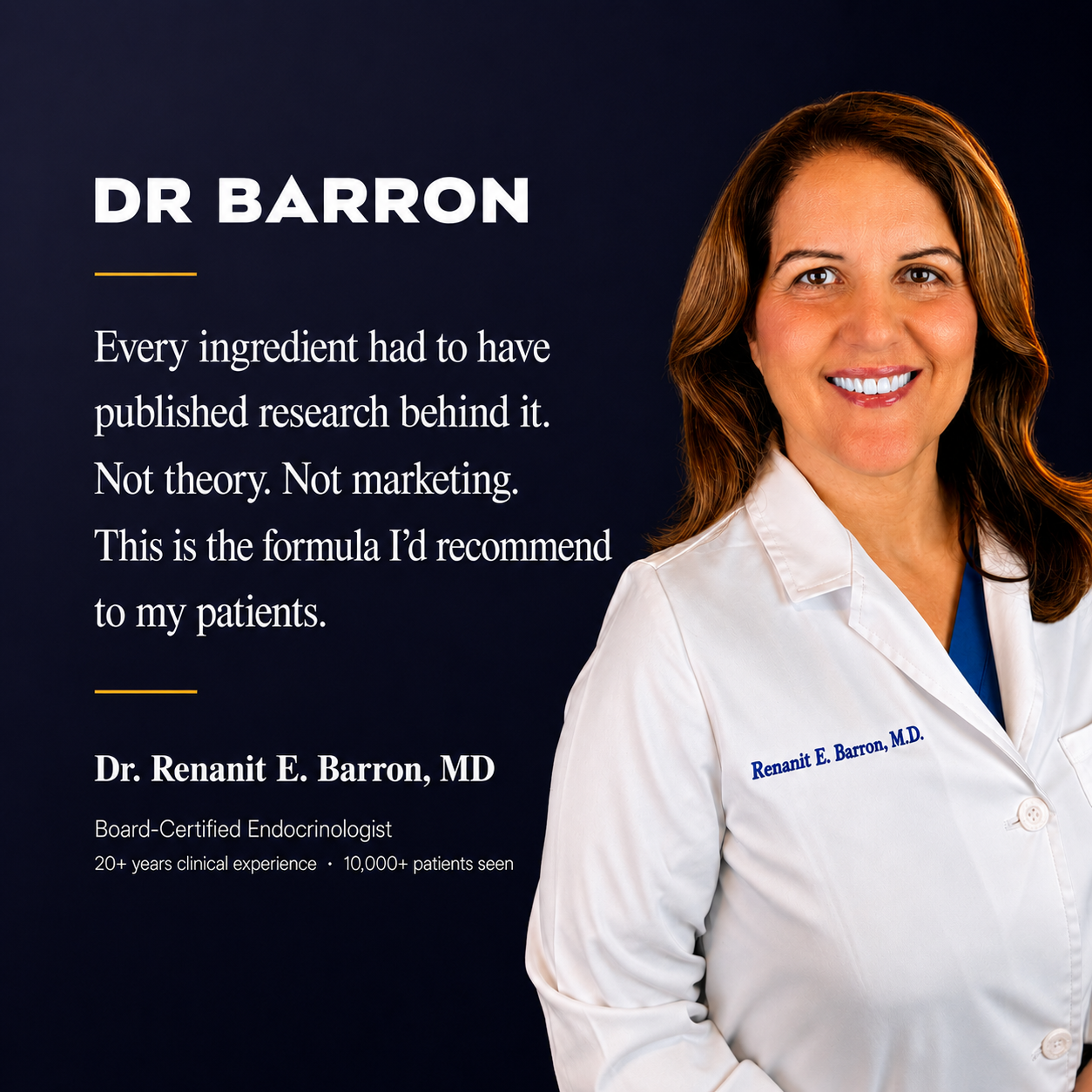
Board-certified endocrinologist practicing in Palm Beach County since 2003. M.D. from the University of Miami School of Medicine (1998), internal medicine residency at Orlando Regional Healthcare Systems (2001), and endocrinology fellowship at the University of Florida (2003).
Pregnancy spent nine months building a baby. Recovery spends the next few rebuilding you. The shed itself is hormonal: after delivery estrogen drops, and a wave of hair releases a few months later. It is common, and for most women temporary. Around the same time, recovery and nursing draw down the raw materials hair is rebuilt from. Below: 7 reasons new moms are supporting their recovery through the shed.
★★★★★“Most brands hide behind proprietary blends or sprinkle in a few trendy ingredients. I liked that every ingredient and dose is clearly listed, and the formula actually feels intentional.”
RACHEL R.Trenton, NJ · Real DR BARRON customerThrough pregnancy, high estrogen keeps extra hair in its growth phase. After delivery estrogen drops sharply, and a few months later that hair releases together. That wave is the shed. It is hormonal, common, and for most women temporary. Recovery and nursing also draw down the raw materials hair is rebuilt from, like collagen, zinc, and selenium. Your OB calls the shed normal. It is. Normal still leaves you something to support while your body resolves it on its own timeline.
Pregnancy spent nine months building a baby. Recovery spends the next several rebuilding you. The shed itself is hormonal: estrogen falls after delivery and the hair it was holding releases a few months later. Around the same time, recovery and nursing draw down the raw materials hair is rebuilt from. Collagen drains. Vitamin D often runs low when hair sheds. Zinc and selenium fall behind. That structural and nutritional layer is the part a formula can honestly support.
Pregnancy happened over 40 weeks. Recovery doesn’t happen in 30 days. Your follicles don’t recover that fast. Most women think the problem started at month three. The biology started months earlier. The structure? Collagen, biotin, L-cysteine. The keratin? MSM, bamboo silica. The follicle environment? Zinc, selenium, and vitamins C, D, and E. Each layer supports what pregnancy and nursing draw down, while your body resolves the shed on its own timeline.
Individual results vary.
Most gummies hide behind proprietary blends. I liked that every ingredient and dose is clearly listed, and the formula actually feels intentional instead of packed with random extras.
My hair had gotten very thin, especially in the crown area and I am seeing it starting to fill in and there’s little hairs I can see around my forehead.
My hair started thinning at the temples and I blamed everything but my hormones. I’ve been taking these for a few months now and I’m noticing way less hair in my brush.
Most gummies hide behind proprietary blends. I liked that every ingredient and dose is clearly listed, and the formula actually feels intentional instead of packed with random extras.
My hair had gotten very thin, especially in the crown area and I am seeing it starting to fill in and there’s little hairs I can see around my forehead.
My hair started thinning at the temples and I blamed everything but my hormones. I’ve been taking these for a few months now and I’m noticing way less hair in my brush.
The shed does pass, but the reserves don’t refill on their own schedule. Pregnancy and nursing spent the protein, the minerals, the vitamin D your hair is built from. Waiting just keeps the pool empty longer. The formula refills it at doses on the label, sitting alongside the prenatal you may still be on: 360 mg collagen + L-cysteine for the protein, 5 mg zinc and 10,000 mcg biotin to rebuild, 1,400 IU vitamin D that runs low when hair sheds. The research is on each ingredient’s role. ‘It’ll pass’ isn’t a reason to leave the pool empty while it does.
Postpartum shed peaks at month four, when reserves are deepest in the negative. The follicle isn’t broken. The cofactor pool is. Two gummies a day refill the pool recovery is drawing from. Take them whenever the day allows.
“The hardest part of postpartum shedding is that it shows up after the pregnancy is over. Most women assume something new is happening. In reality, they’re seeing the delayed effects of everything their body spent months doing. The prenatal was built for what pregnancy needed. Recovery needs something different.”
Prenatal vitamin. Collagen powder. Biotin gummies. A postpartum hair vitamin. Most postpartum moms add 8+ separate supplements: $185/month, doses that overlap, gaps that don’t. One formula at research-backed doses sits alongside the prenatal she’s still on. $33/month on subscription. Pregnancy needed one stack. Recovery needs a different one.
The body sets the recovery clock. Estrogen rebuilds. Iron rebuilds. Collagen rebuilds. What the body can’t manufacture from nothing is the raw material. Two gummies a day is the part that’s in your control. The rest happens at the pace it happens.
Eleven research-backed actives supporting the structure and follicle environment postpartum recovery draws down. Dermal collagen, keratin building blocks, mineral cofactors, and antioxidant support. $1.10/day. Endocrinologist-formulated. Every ingredient and dose on the label. 90-day money-back guarantee. Talk to your doctor, OB, or lactation consultant before taking any supplement while breastfeeding.
Eleven research-backed actives in one daily gummy. The structure and follicle-environment support generic hair brands skip: collagen peptides at the studied dose paired with vitamin C, plus the zinc, selenium, and vitamin D that recovery and nursing draw down. Endocrinologist-formulated. Every dose on the label. Talk to your doctor, OB, or lactation consultant before taking any supplement while breastfeeding.
Because ninety days is one full hair cycle.
Two gummies daily, with or without food. Like any supplement, the formula is intended for long-term daily use as part of a consistent routine, individual responses to supplementation vary.
5 categories of physician-selected actives for postpartum hair recovery.
Pregnancy and nursing deplete collagen faster than the body can replace it. Provides hydrolyzed peptides the body uses to support skin, hair follicle, and nail matrix structure through postpartum recovery.
A sulfur amino acid required to build keratin, the protein that makes up roughly 95% of the hair shaft.
A required cofactor for collagen synthesis. Without adequate vitamin C, the body cannot crosslink collagen fibers properly.
Supports keratin infrastructure and the enzymes that convert nutrients into the building blocks of hair and nail growth. Subclinical biotin insufficiency rises with age.
A traditional botanical that supplies plant phytosterols and zinc-rich seed compounds, included as one of the formula’s eleven hair, skin, and nail actives.
A required cofactor for keratin synthesis and follicle cycling. Women over 40 are among the groups most likely to fall short of recommended intake.
Supports thyroid hormone conversion, which can dysregulate postpartum and is associated with hair shedding and slower skin renewal.
A bioavailable sulfur source that supports the formation of disulfide bonds in keratin, the crosslinks that give hair its strength and elasticity.
A natural source of silicon that supports collagen crosslinking and nail bed mineralization. Silicon levels in skin and hair decline with age.
Hair follicle keratinocytes express vitamin D receptors. Low D status is associated with telogen effluvium, the kind of diffuse shedding that often shows up postpartum.
A fat-soluble antioxidant that supports scalp microcirculation and helps protect sebaceous lipids from oxidative damage.
See how DR BARRON compares on ingredient transparency and dose disclosure, every active, every dose, side by side.
DR BARRON
Feel it, or get your money back.
Questions about your formula, your subscription, or anything in between? Our team responds within 1-2 business days.
Board-certified endocrinologist practicing in Palm Beach County since 2003. M.D. from the University of Miami School of Medicine (1998), internal medicine residency at Orlando Regional Healthcare Systems (2001), and endocrinology fellowship at the University of Florida (2003).